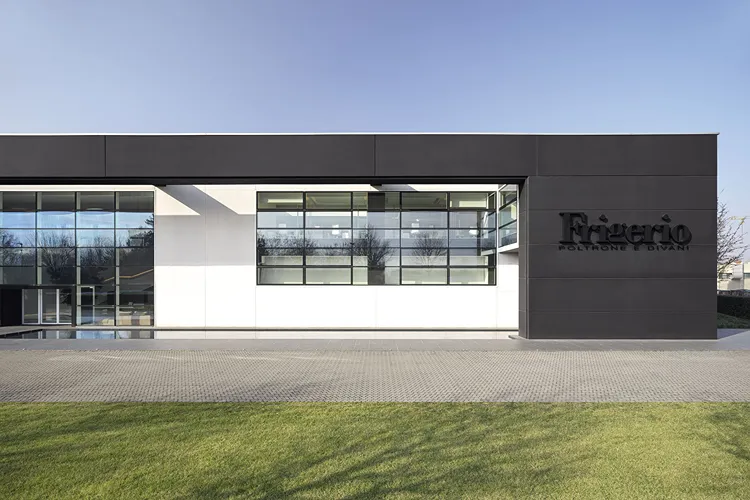
There’s a reason the world’s finest sofas are so often compared to a well-cut suit. Both rely on precise proportion, quality material, and stitching so exact it becomes invisible. Few brands understand that parallel better than Frigerio, the Brianza-based house that has spent nearly ninety years treating upholstery as a form of tailoring.
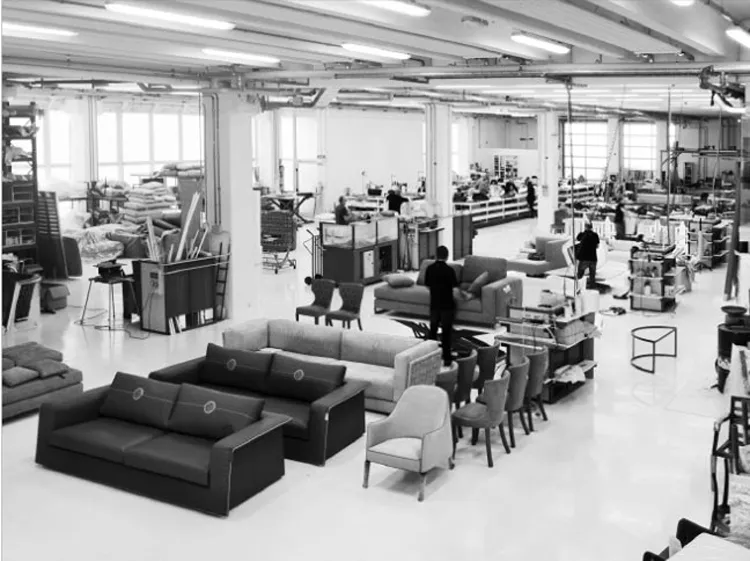
Frigerio’s story begins in 1938 in Mariano Comense, in the Brianza district, a stretch of Lombardy so closely tied to fine furniture-making that it’s often called Italy’s design capital. Founder Federico Frigerio started as a small upholstery workshop;
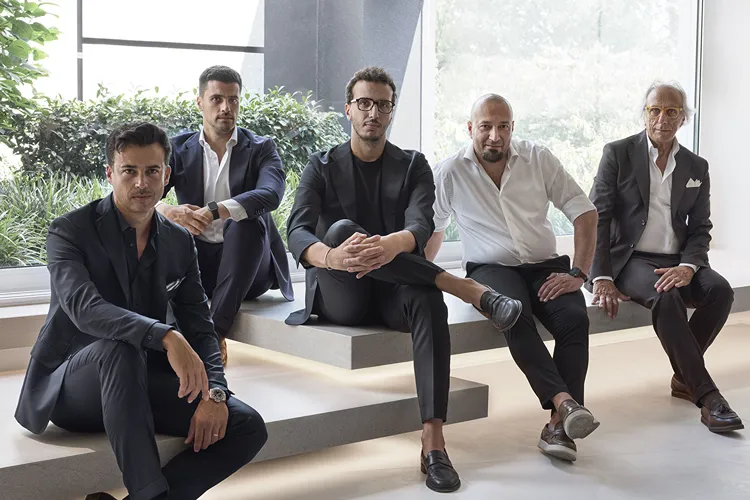
by the 1960s, his sons Gianfranco and Angelo had expanded the family trade into an industrial operation without ever losing its artisanal core. Today, the company is led by the second and third generations of the same family, a rare continuity in an industry that moves as fast as design trends do.
That family lineage matters, because Frigerio’s identity has never been about chasing novelty. It’s about refining a single craft, generation after generation: the art of the upholstered seat.
Applied to Furniture
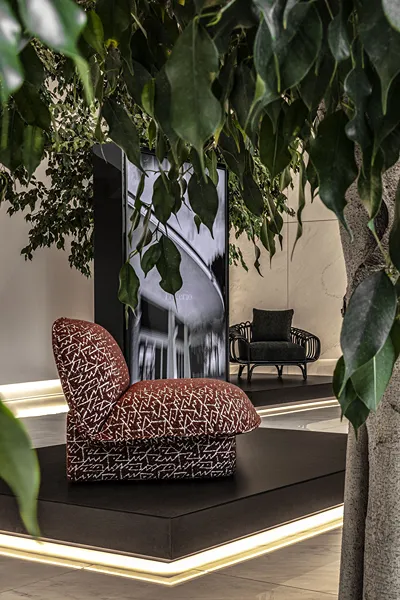
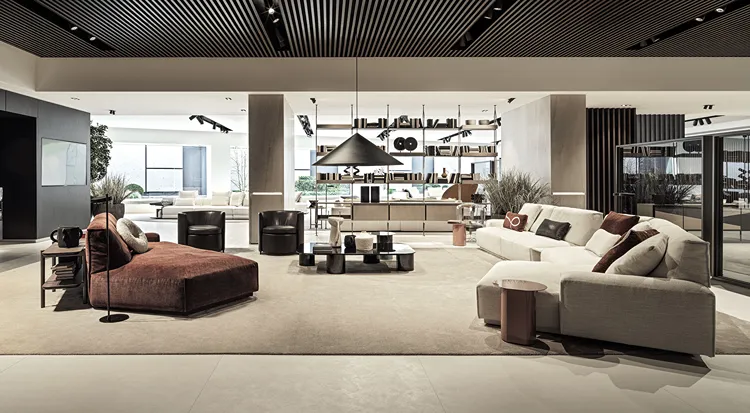
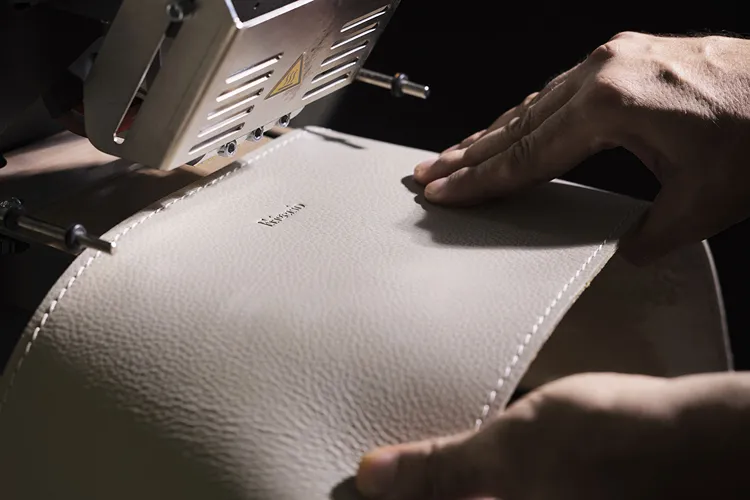
What sets Frigerio apart isn’t a single signature look, the collections range from crisp, architectural silhouettes to soft, enveloping shapes, but a consistent way of thinking about its creation. A tailor doesn’t just choose good fabric; they cut it to follow the body, reinforce it where it needs to hold shape, and let it move naturally everywhere else. Frigerio applies the same logic to their sofas.
Frames are typically built and joined to handle decades of daily use rather than a showroom’s worth of photographs. Padding is layered in stages, denser support underneath, softer fills closer to the surface, so a cushion holds its shape without sacrificing comfort. Seams are placed with the same intentionality a tailor gives a dart or a pleat: not just to close the fabric, but to shape it.
Even the choice of covering, leather, velvet, performance textiles; is treated the way a tailor treats cloth, chosen to drape correctly and wear gracefully over time. Nearly ninety years in, that’s still the whole philosophy: treat upholstery like tailoring, and the comfort takes care of itself.